

Visions of the Past
Sometimes the best discoveries happen when you scrap the original plans.
On a trip to Italy earlier this summer, Sean arrived with his family at their pre-planned destination — the final stop of the trip — and felt his chest tighten. What should have been the climax of his Italian adventure was buzzing with noise, a blur of tourists, shoulder-to-shoulder, slowly meandering the streets, crowding the beaches and browsing shops for mass-produced souvenirs. “It was honestly just way too touristy,” he explained, laughing. “Just not a vibe we were loving at all.”
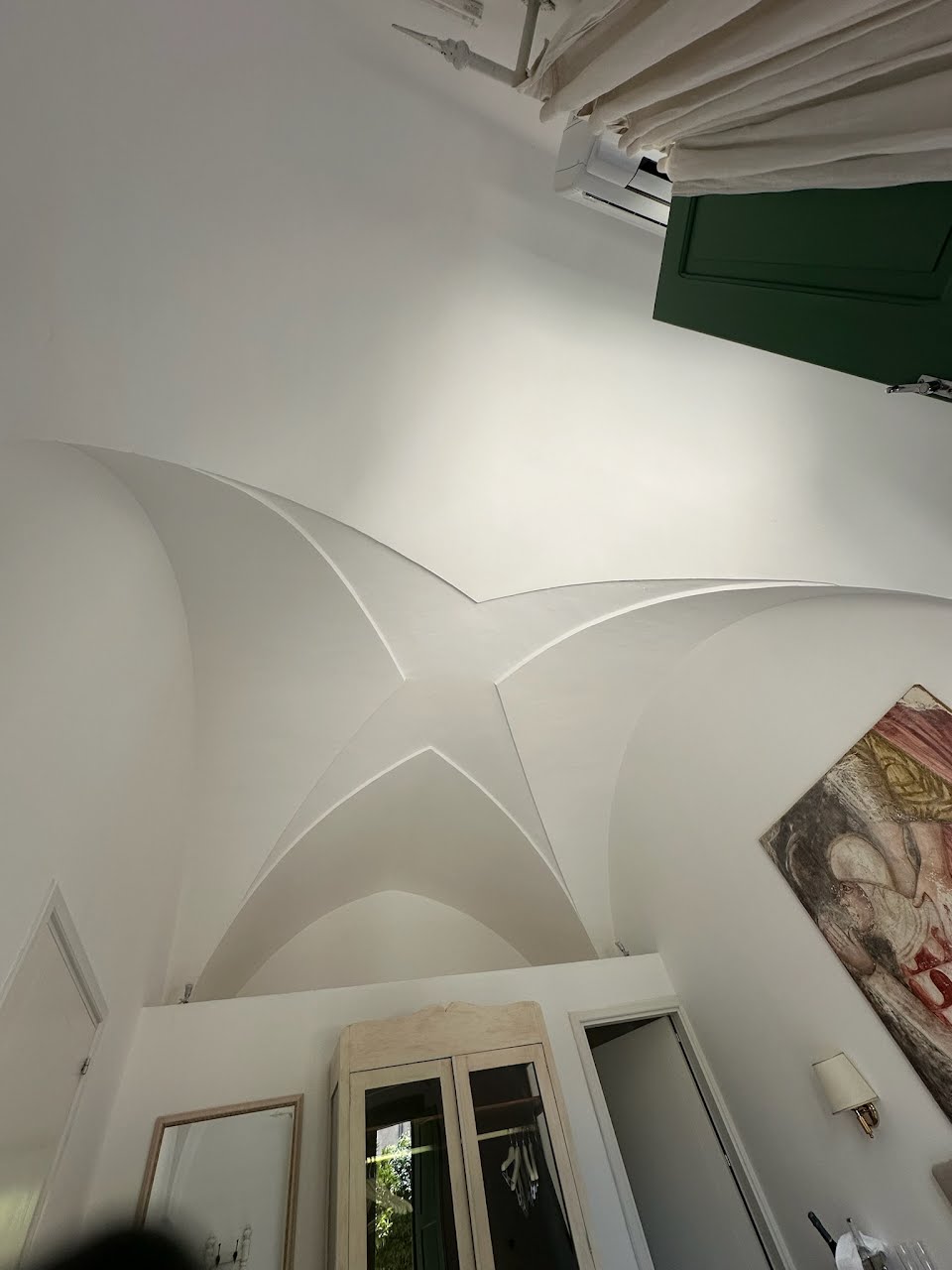
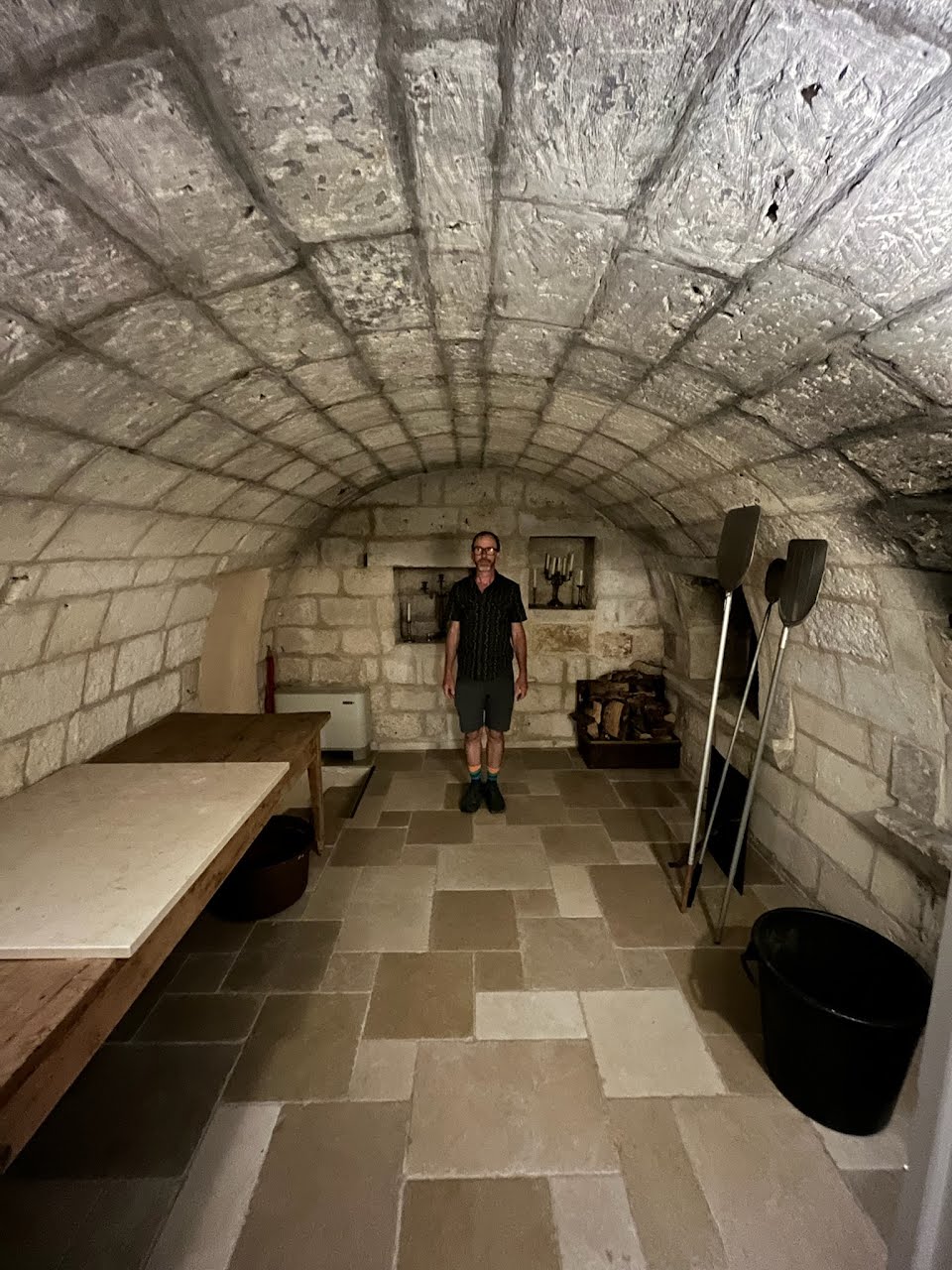
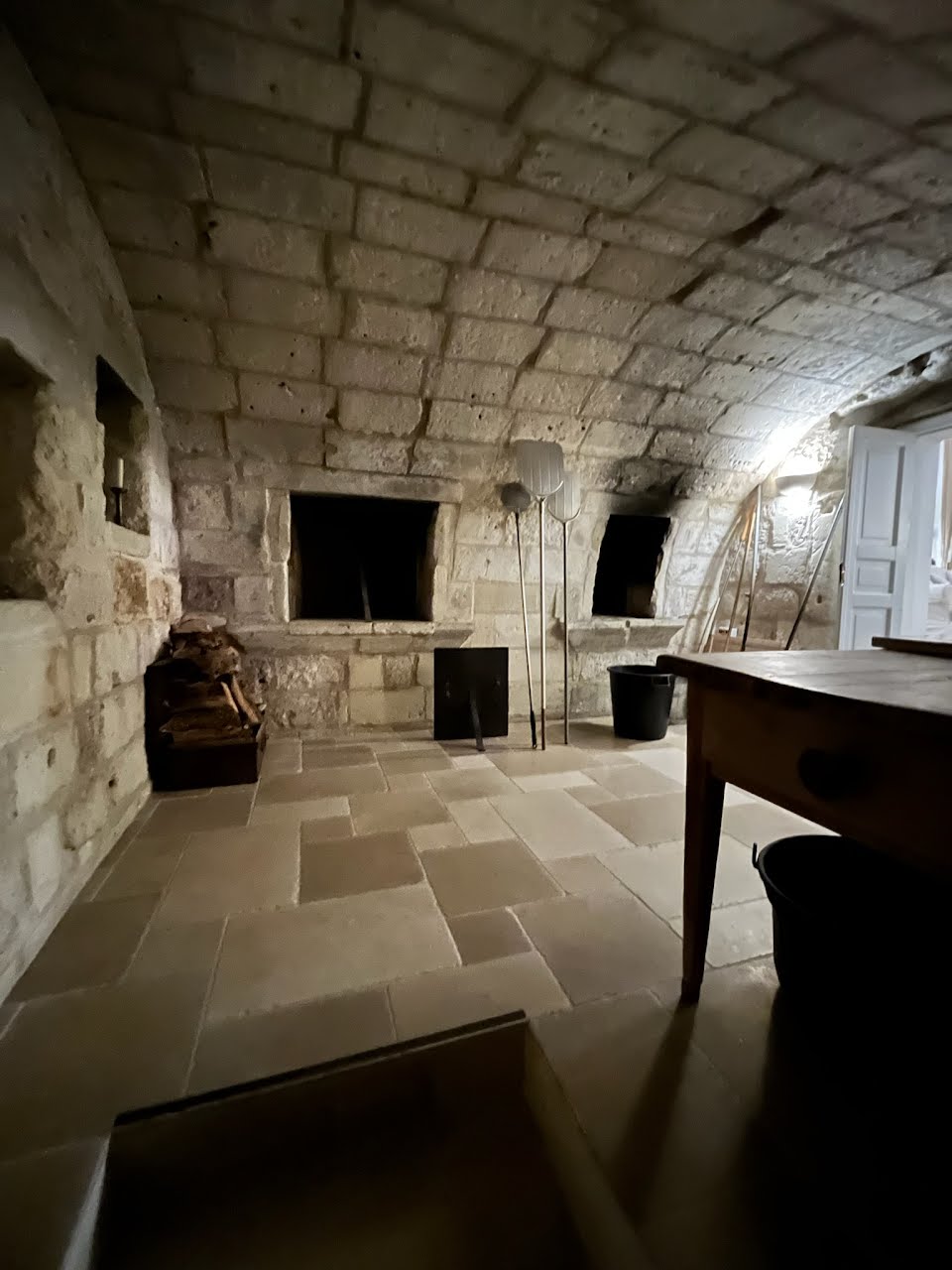
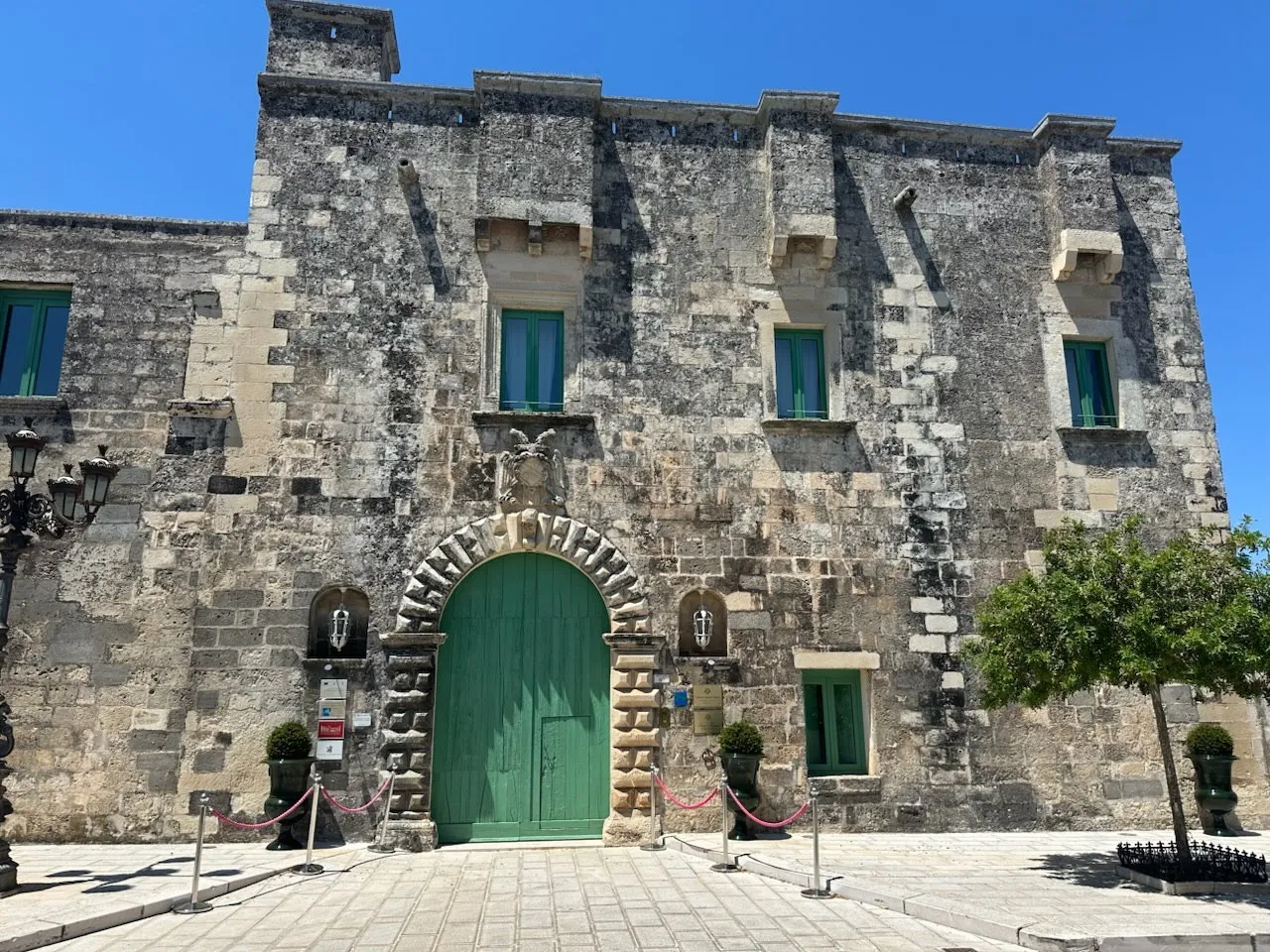
His wife began looking for alternate arrangements and stumbled upon Palazzo Ducale Venturi, a 16th-century aristocratic palace-turned-hotel in the small town of Minervino di Lecce. In 2016, the building was completely renovated under the supervision of Italy’s Superintendence of Cultural Heritage, preserving details including its ancient stone salt ovens, original Leccese stone star-vaulted ceilings, underground olive mill and chianche floors.
For most people, discovering an old Italian palace might mean taking a few photographs, admiring the architecture and moving on.
Sean, on the other hand, started researching.
“I went on a deep dive, reading all about the architecture and the renovation process, and then onto the history of this place,” he said. The deeper he looked, the more the building revealed. “It scratched the same kind of itch that comes up when we’re renovating older properties in Asheville — just with an added 400-plus years of history.”
Built for priorities
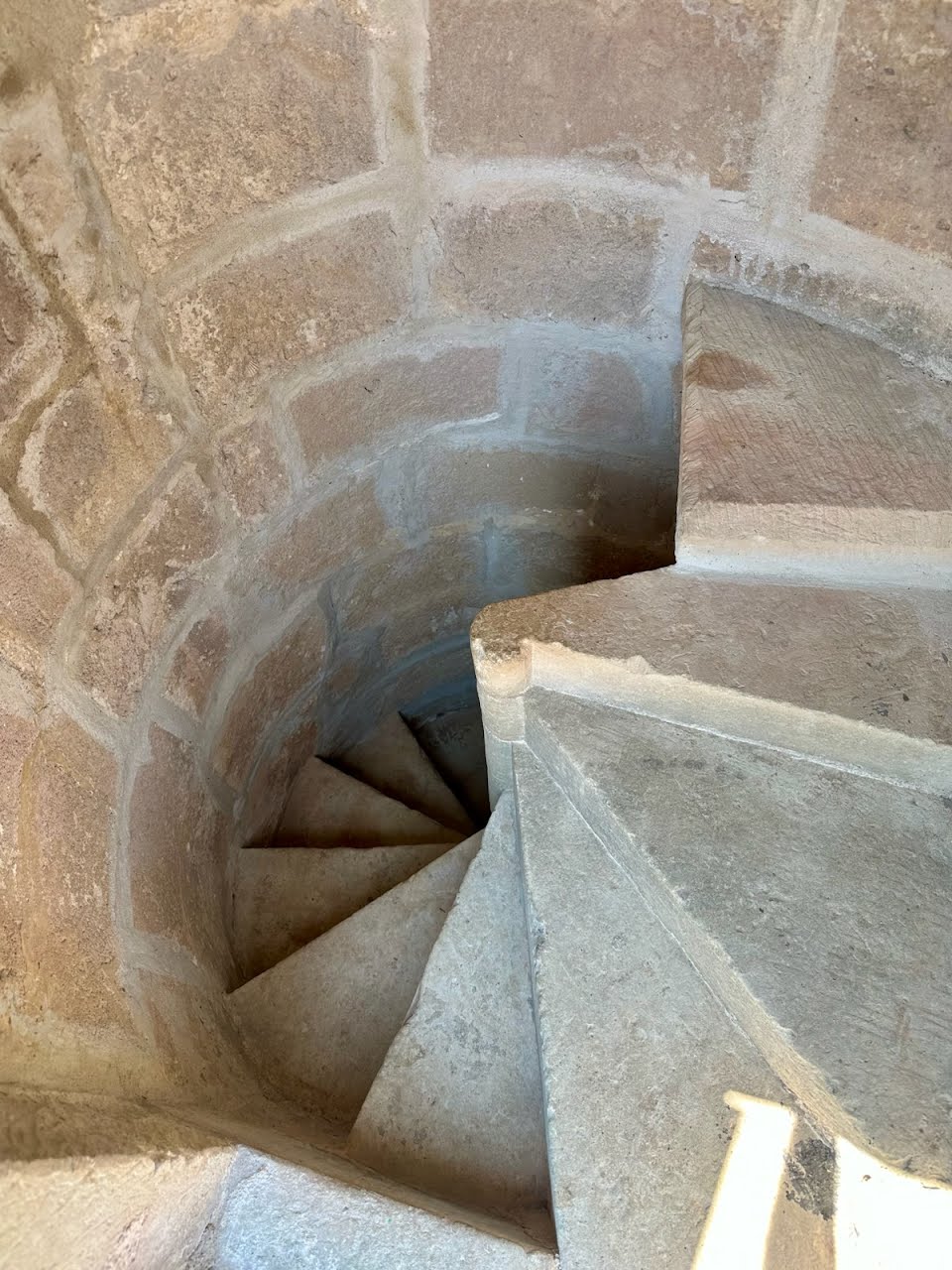
The palace had been designed for a world very different from the one surrounding it today. Sean learned about its defensive features: a massive front entrance containing a much smaller door, designed so that if an attacker breached the opening, people could only enter one at a time. Along the roofline, small projections allowed defenders to attack anyone trying to reach the windows, while narrow openings in the masonry provided places to fire crossbows.
“People definitely had different priorities for their architecture back then,” Sean said with a laugh.
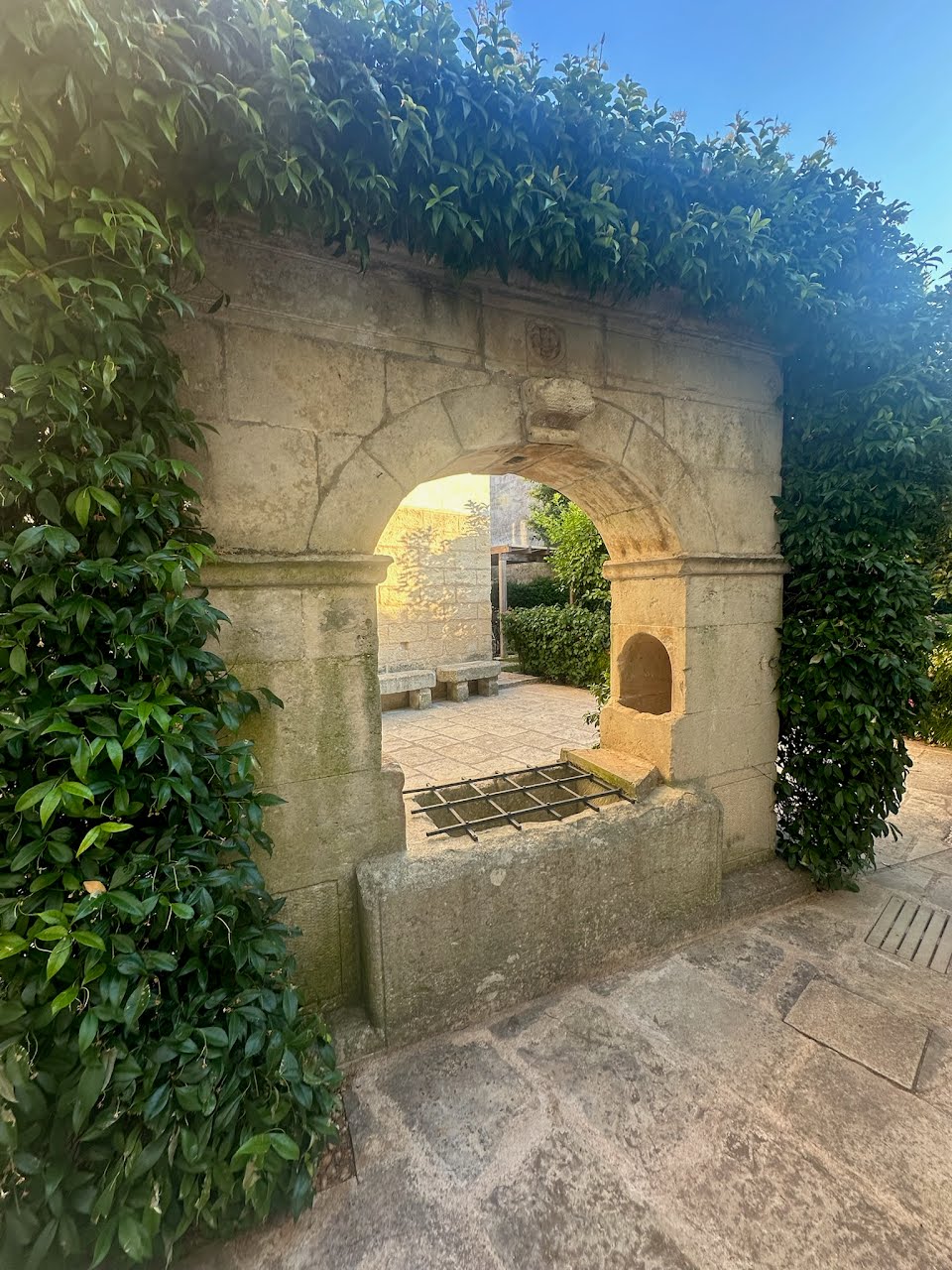
It was built around the realities of its time, including the need for protection and access to water. Sean learned that the site had been used for centuries — dating back to the 1200s — before the palace was built, with a well and evidence of earlier trading activity helping explain why the location mattered in the first place.
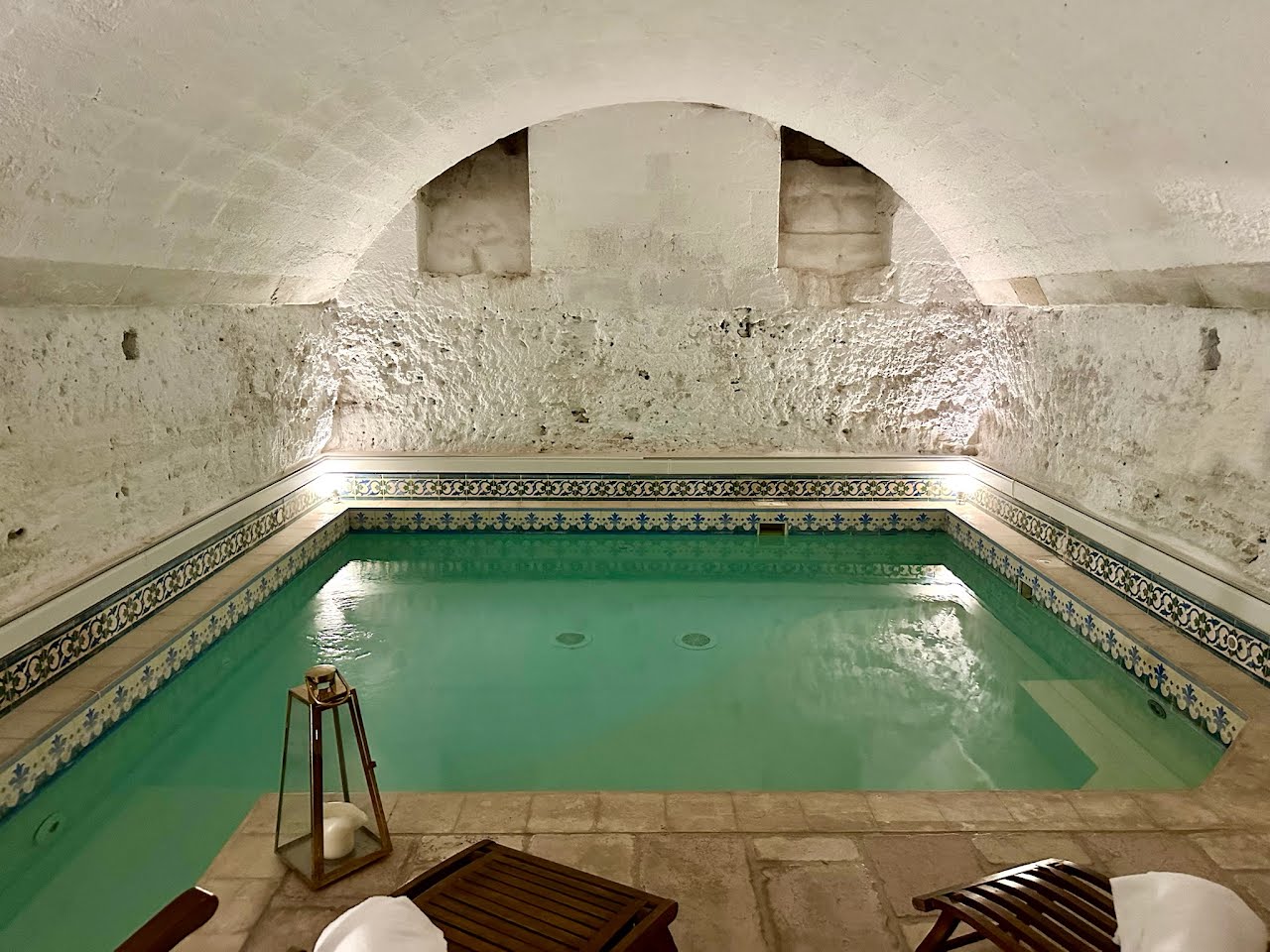
Today, those priorities have changed dramatically. The fortress is now a place where people come to relax, eat, swim and sleep beneath the same centuries-old architecture. The hotel’s own history describes it as one of the first noble houses in Salento to open its doors to guests, allowing visitors to experience five centuries of history, art and culture.
That transformation was part of what fascinated Sean.
Carrying history forward
Inside the rooms, he noticed arched ceilings decorated with star-shaped plasterwork. At first, the stars looked ornamental. But as he dug further, he discovered that they were connected to the structural system that allowed the ceilings to stand — a detail easily missed by those whose interests don’t lie at the intersection of craftsmanship and history.
For someone who has spent decades working on old homes and historic buildings in Asheville, however, the details are everything. A building isn’t simply a collection of walls, floors and ceilings. It is the accumulated result of thousands of decisions made by the people who designed, built, altered and lived in it.
And sometimes, understanding those decisions requires looking a little closer.
That is part of what draws Sean to renovation work. Rather than treating an old building as something to simply update or cover over, he is interested in understanding what is already there — why it was built the way it was, what has happened to it since, and what can be carried forward into its next chapter.
Palazzo Ducale Venturi gave him a chance to see that idea on a much larger timescale.
“These builders’ whole world revolved around keeping the duke safe — around designing a structure that would give them the best advantage possible against invaders,” Sean said. “And now it’s this five-star hotel where people are paying to come have this nice experience, but the history is still there. It’s visible. It wasn’t erased.”